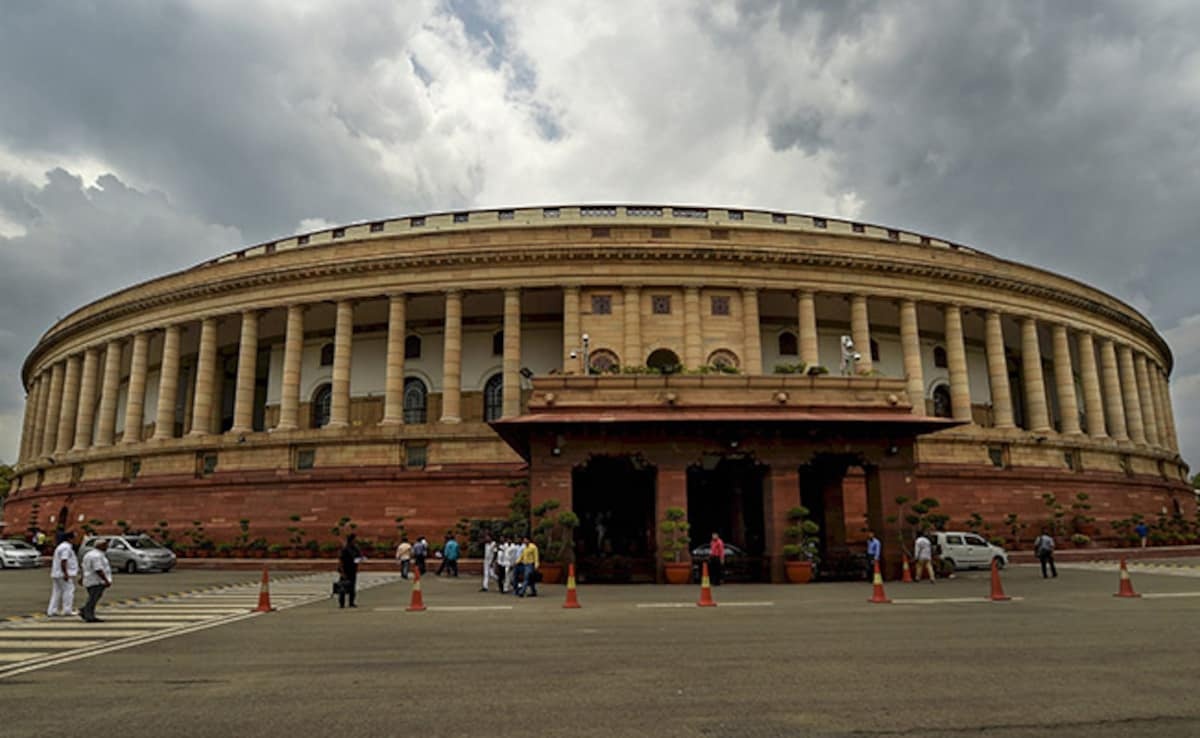
Indian central government employees are now entitled to a comprehensive leave policy that includes 30 days of earned leave annually, as confirmed by Union Minister of State for Personnel Jitendra Singh during a Rajya Sabha session. The minister emphasized that these provisions, outlined in the Central Civil Services (Leave) Rules, 1972, allow employees to take time off for personal reasons, such as caring for elderly parents. This clarification addresses a longstanding debate about work-life balance for public sector workers, particularly in an aging population where caregiving responsibilities often overlap with professional obligations. The policy update underscores the government’s commitment to modernizing labor regulations while addressing societal needs. Employees can now use their earned leave flexibly, ensuring they can manage personal emergencies or family-related duties without compromising their careers. This shift aligns with global trends toward more humane workplace policies, though its implementation will depend on administrative clarity and enforcement.
Clarifying Leave Entitlements for Central Government Workers
The Central Civil Services (Leave) Rules, 1972, form the backbone of leave entitlements for central government employees, offering a structured yet adaptable framework. According to Singh’s response to parliamentary queries, the rules grant 30 days of earned leave, 20 days of half pay leave, eight days of casual leave, and two days of restricted holidays annually. These provisions are not rigidly defined, allowing employees to allocate leave for any personal purpose, including caregiving for elderly family members. This flexibility is critical in a country where over 10% of the population is aged 60 or older, and many employees face dual responsibilities of work and family. The minister’s statement also highlighted the inclusion of other eligible leaves, such as maternity or paternity leave, which are typically governed by separate statutory frameworks. By explicitly mentioning elderly care as a valid reason for leave, the government is signaling a broader recognition of caregiving as a societal necessity, not merely a personal burden.
Policy Implications and Work-Life Balance Reforms
Singh’s clarification of the 1972 rules represents a significant step toward improving work-life balance for central government employees. The inclusion of elderly care as a legitimate leave reason reflects an evolving understanding of employee needs in a rapidly aging society. While the rules already allow for personal leave, the explicit mention of caregiving responsibilities adds clarity and removes ambiguity for employees. This change is particularly relevant for those in the public sector, where career longevity often intersects with family obligations. However, the policy’s success will depend on how effectively it is communicated and enforced across various government departments. Employees may need guidance on how to request such leave, especially in cases where caregiving responsibilities are time-sensitive or require extended periods. The minister’s response also raises questions about the adequacy of current leave provisions for complex caregiving scenarios, such as chronic illnesses or long-term care requirements.
Comparative Leave Policies and Administrative Challenges
The leave entitlements for central government employees are more generous than those for state government workers, who typically receive fewer days of annual leave. However, the flexibility of the 1972 rules sets them apart from rigid statutory frameworks in other sectors. For instance, private sector employees often face stricter limitations on unpaid leave, whereas central government workers can use their earned leave for caregiving without penalty. This disparity highlights the unique role of the public sector in addressing societal challenges. Nevertheless, the policy’s effectiveness hinges on administrative implementation. There may be inconsistencies in how different departments interpret the rules, leading to potential disputes over leave allocation. To mitigate this, the government could consider revising the rules to explicitly define caregiving scenarios, ensuring uniformity in application. Additionally, integrating these provisions with existing welfare schemes, such as pension benefits or healthcare support, could further enhance their impact.
Broader Context of Workforce Welfare and Future Reforms
The recent clarification of leave entitlements for central government employees is part of a larger conversation about workforce welfare in India. As the population ages and caregiving responsibilities increase, the demand for flexible work policies will likely grow. This policy update aligns with global trends of redefining workplace flexibility to accommodate diverse employee needs. However, challenges remain in ensuring equitable access to these benefits across all government departments. The government must also address the potential strain on administrative systems, which may face increased requests for leave-related approvals. Future reforms could focus on digitizing leave applications, reducing bureaucratic delays, and expanding caregiving support through dedicated welfare programs. By prioritizing employee well-being, the government can foster a more resilient and motivated workforce, ultimately enhancing public service delivery. The 1972 rules, while foundational, may need periodic updates to reflect contemporary realities and ensure their relevance in the years to come.


About the Author