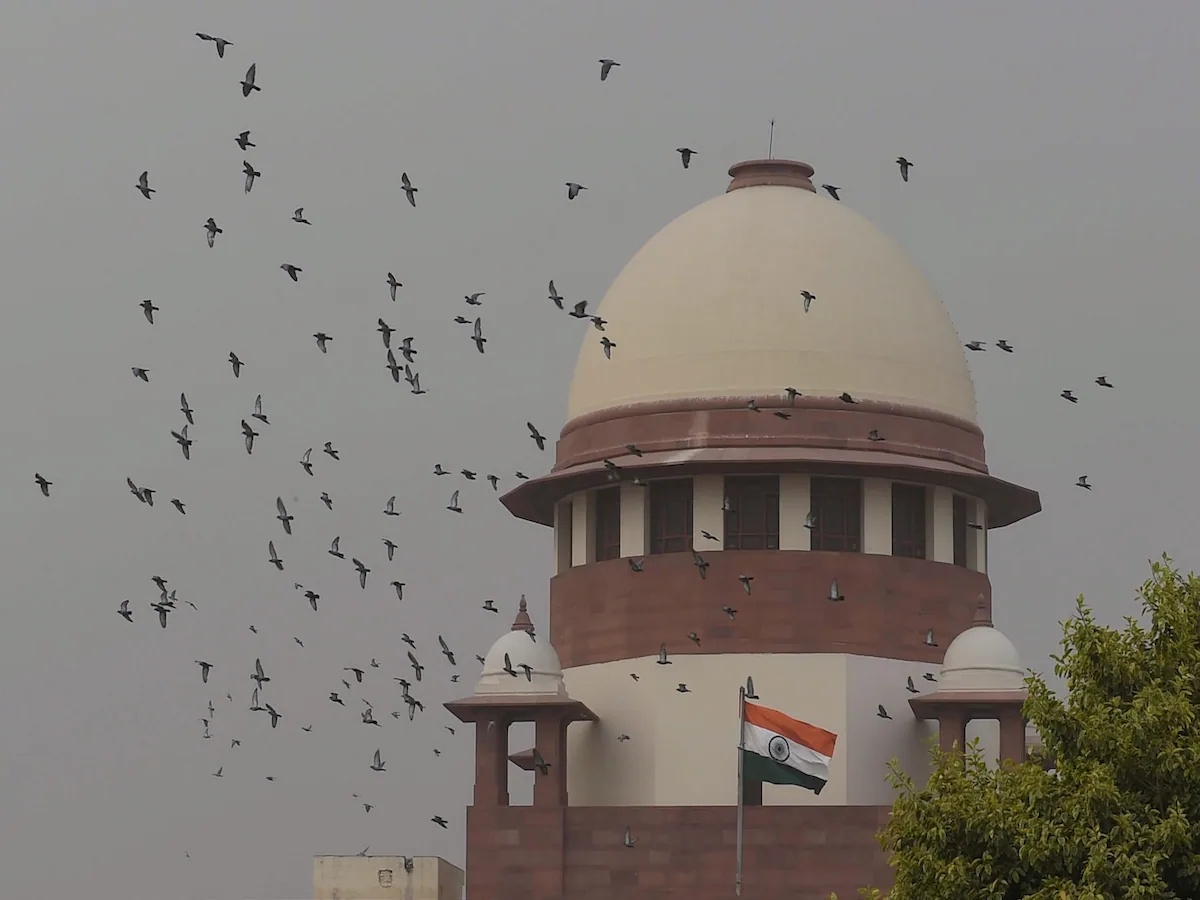
Supreme Court Examines Legal Status of Dearness Allowance for West Bengal Workers
The Supreme Court of India has initiated proceedings to determine whether dearness allowance (DA) provided to West Bengal government employees constitutes a legal entitlement. A bench comprising Justices Sanjay Karol and Prashant Kumar Mishra convened on August 5 to hear arguments from both the state government and employee unions regarding a previous High Court ruling that classified DA under fundamental rights. The case has sparked significant debate over the constitutional safeguards for salary components, with stakeholders emphasizing the need for clarity on entitlements. The court’s decision could redefine labor policies across states, as DA remains a critical aspect of public sector compensation. Legal experts suggest the ruling may influence how states balance fiscal constraints with employee welfare, particularly in regions with strained budgets. The hearing, which is expected to span multiple sessions, has drawn attention from labor organizations and state officials who anticipate its impact on future wage structures.
State and Union Positions on DA as a Constitutional Right
Both the West Bengal government and employee unions have consistently argued that DA does not qualify as a fundamental right under the Indian Constitution. The state’s legal team, represented by senior advocate Kapil Sibal, emphasized that DA is a discretionary component determined by each state’s financial capacity. They cited the absence of a uniform national policy for DA, highlighting that states like Tamil Nadu and Maharashtra have distinct formulas for calculating the allowance. Employee unions, while not contesting the legal stance, raised concerns about the disparity in DA rates between states. They questioned why West Bengal’s rates lag behind those of the central government, arguing that such discrepancies undermine workers’ living standards. The court’s inquiry aims to resolve whether DA should be treated as a statutory obligation or a policy choice, with implications for labor laws across the country.
Legal and Fiscal Implications of the Case
The case has ignited discussions about the intersection of constitutional rights and fiscal autonomy for states. Legal scholars note that while the Constitution guarantees certain fundamental rights, salary components like DA are often left to state discretion. The West Bengal government’s position underscores the challenges of maintaining uniformity in public sector compensation amid varying economic conditions. However, critics argue that this approach risks perpetuating inequities, particularly for employees in states with limited resources. The court’s ruling may establish a precedent for how DA is treated in other states, potentially leading to standardized frameworks or increased state accountability. Additionally, the case highlights the tension between administrative flexibility and employee entitlements, a debate that has long shaped labor policies in India. As the hearing progresses, stakeholders await clarity on whether DA will be elevated to a constitutional right or remain a matter of state policy.
Broader Impact on Labor Policies and Employee Welfare
The outcome of this case could have far-reaching consequences for government employees nationwide. If the Supreme Court rules that DA is not a fundamental right, states may retain greater autonomy in determining its rates, potentially leading to further disparities. Conversely, a ruling in favor of employees could compel states to adopt more equitable compensation structures, aligning with broader labor rights movements. The case also raises questions about the role of judicial intervention in labor disputes, with some advocating for a more active role in protecting workers’ interests. As the legal battle unfolds, the focus remains on balancing fiscal responsibilities with the welfare of public sector employees, a challenge that continues to shape India’s labor landscape. The decision may ultimately redefine the legal framework governing salary components, setting a precedent for future disputes.
Anticipated Outcomes and Future Implications
The Supreme Court’s ruling is expected to address critical gaps in the legal interpretation of DA, potentially reshaping labor policies for millions of government employees. The case underscores the need for a national framework to standardize salary components while respecting state fiscal autonomy. Legal experts warn that the decision could influence similar cases in other states, prompting a reevaluation of how DA is managed across the country. For West Bengal, the ruling may prompt a review of its current DA policies, with potential adjustments to align with either constitutional principles or fiscal realities. As the hearing continues, the court’s stance on DA’s legal status will serve as a benchmark for future labor disputes, emphasizing the importance of clarity in public sector compensation. The outcome will likely spark renewed debates on the balance between state discretion and employee rights, shaping the trajectory of labor policies in India.


About the Author