Formation of the Eighth Pay Commission
The Indian government has announced the establishment of the Eighth Central Pay Commission, led by Justice Ranjana Prakash Desai, a retired Supreme Court judge and former chairperson of the Press Council of India. The commission will also include IIM Bangalore Professor Pulak Ghosh as a part-time member and Petroleum Secretary Pankaj Jain as Member-Secretary. This marks a significant step in revising the salary structure and benefits for central government employees, a process that has occurred approximately every decade since India’s independence in 1947. The commission’s formation follows consultations with multiple ministries, state governments, and the Joint Consultative Machinery, ensuring a comprehensive approach to addressing employee concerns.
Mandate and Terms of Reference
The Eighth Pay Commission’s mandate emphasizes balancing fiscal responsibility with the need for adequate resources for developmental spending and welfare programs. It will evaluate the economic landscape and ensure recommendations align with the country’s fiscal prudence. A critical addition to this round’s terms of reference is the consideration of unfunded costs associated with non-contributory pension schemes, a pressing issue amid ongoing demands for the restoration of the Old Pension Scheme. This scheme, which provided defined benefits to employees hired before January 1, 2004, has been replaced by the National Pension System, which relies on market-linked returns. The commission will also assess the impact of its recommendations on state finances, as states often adopt central government proposals with modifications.
Timeline and Fiscal Implications
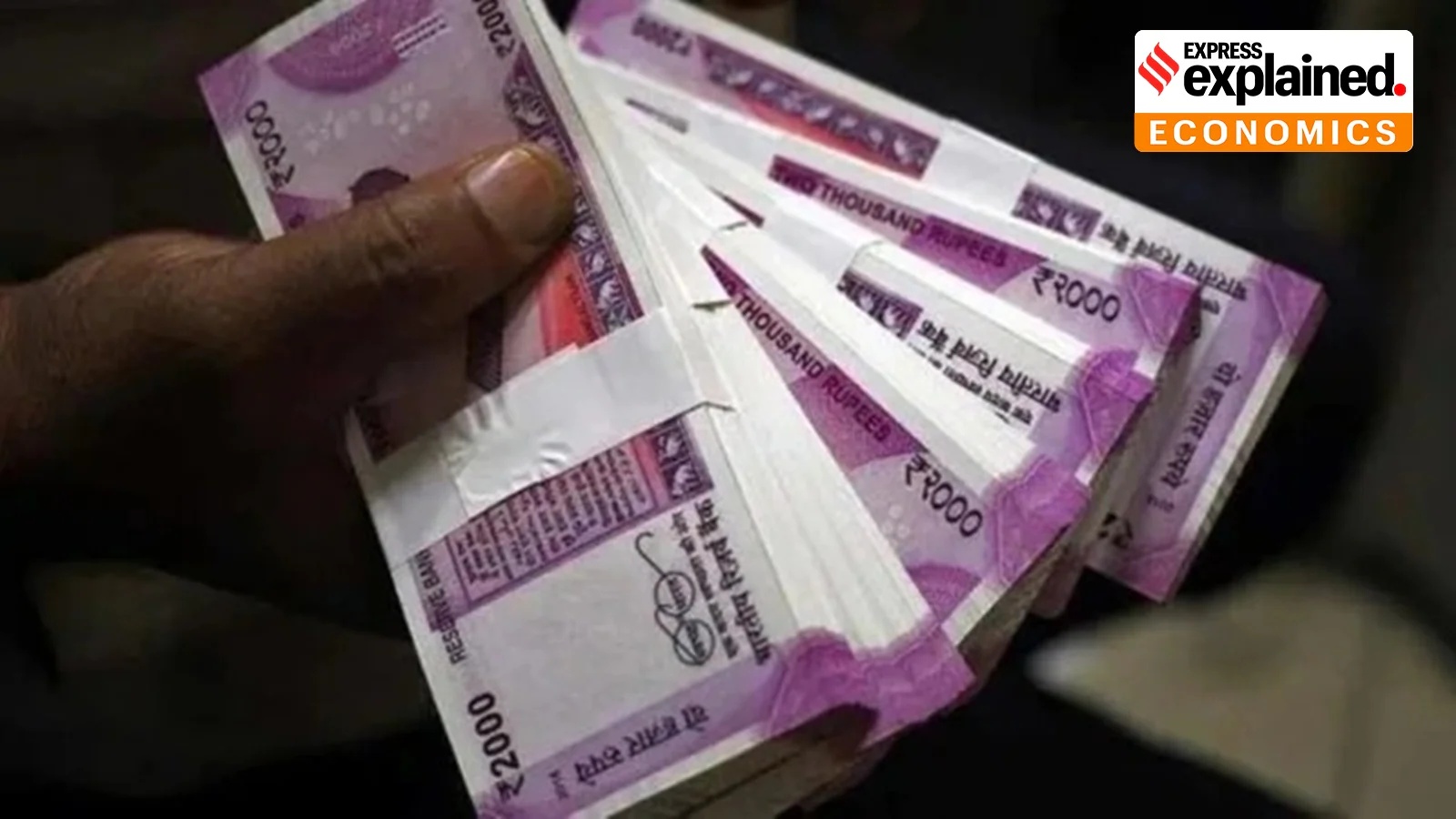
The commission is expected to submit its findings by April 2027, though the recommendations will take effect from January 1, 2026, with arrears paid retroactively. This timeline follows previous delays in implementing pay commission recommendations, such as the 19-month gap for the Fifth Commission and 32 months for the Sixth. The Seventh Pay Commission’s 2016 implementation, which saw a 23.55% salary increase, added an estimated Rs 1.02 lakh crore to the government’s expenditure. The current round could see minimum pay for new recruits surpass Rs 46,000, reflecting the growing financial burden on the central government’s revenue expenditure, which already accounts for over Rs 7 lakh crore in 2025-26.
Pension Reforms and Unified Pension Scheme
A key focus of the commission is the Unified Pension Scheme (UPS), introduced in 2023 to replace the National Pension System. The UPS guarantees assured pensions, family benefits, and minimum payouts for employees with less than the required service tenure. For those retiring after 10 years of service, the assured pension is Rs 10,000, rising to a full assured payout after 25 years. This shift aims to address the volatility of market-linked pensions while managing the fiscal implications of unfunded pension liabilities. The commission’s recommendations will also consider the working conditions of employees in central public sector undertakings and the private sector, ensuring equitable treatment across sectors.
Legacy and Future Impact
The Eighth Pay Commission’s deliberations will shape the financial landscape for millions of central government employees, influencing both current and future workforce dynamics. By addressing unfunded pension costs and aligning salary revisions with economic realities, the commission seeks to balance employee welfare with fiscal sustainability. Its recommendations, if implemented, could set a precedent for future reforms, ensuring the government’s ability to meet developmental goals while maintaining the purchasing power of its workforce. The outcome will likely spark widespread discussions on public sector compensation and the long-term viability of pension systems in India’s evolving economic framework.


About the Author