Formation and Composition of the Eighth Central Pay Commission
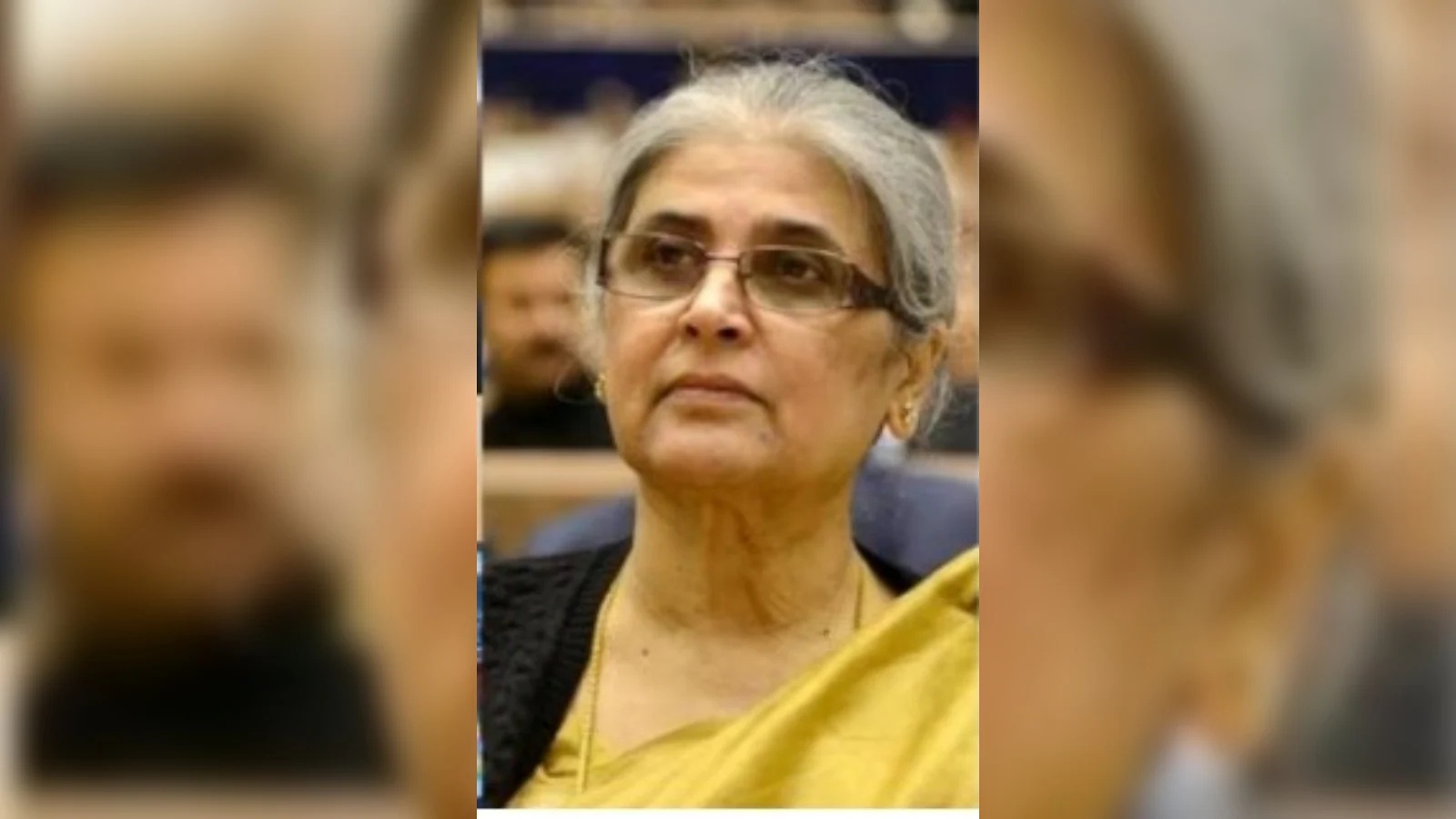
The Union Cabinet has given its nod to the terms of reference (ToR) for the Eighth Central Pay Commission, a body tasked with reviewing and recommending changes to the salaries and benefits of central government employees. The commission will be chaired by Justice Ranjana Prakash Desai, a retired Supreme Court judge and former chairperson of the Press Council of India. The panel will also include IIM Bangalore professor Pulak Ghosh as a part-time member and Petroleum Secretary Pankaj Jain as Member-Secretary. The government emphasized that the commission’s recommendations will be finalized within 18 months, following consultations with ministries, state governments, and labor unions. This marks a significant step in addressing the evolving needs of central government employees, ensuring their compensation structures align with current economic realities and fiscal responsibilities.
Implementation Timeline and Financial Impact
The proposed changes are expected to take effect from January 1, 2026, with retrospective adjustments for pay and pensions, including arrears for prior years. Allowances, however, will be revised prospectively. The government highlighted that the pay and pension outgo for central government employees is projected to exceed Rs 7 lakh crore in 2025-26, accounting for 18% of the total revenue expenditure. This underscores the scale of the financial implications, requiring careful balancing between employee welfare and fiscal prudence. The previous Central Pay Commission’s 2016 recommendations, which included a 23.55% increase in salaries and pensions, added Rs 1.02 lakh crore to the central budget, illustrating the long-term financial commitments associated with such reforms.
Context and Broader Implications
The commission’s mandate includes evaluating the economic conditions, fiscal constraints, and the need for developmental spending. It will also consider the impact on state governments, which often adopt central recommendations with modifications, and the working conditions of public sector undertakings and private sector employees. This holistic approach aims to ensure equitable adjustments while maintaining financial sustainability. The government’s emphasis on fiscal responsibility highlights the delicate balance between enhancing employee benefits and managing public expenditure. The recommendations are expected to influence not only central government finances but also state budgets and the broader economic landscape.
Historical Context and Future Outlook
The establishment of the Eighth Central Pay Commission follows a pattern of periodic reviews, with the last major overhaul implemented in 2016. The government noted that such commissions typically take a decade to materialize, with the 2026 implementation aligning with this trend. The commission’s recommendations will need to address inflation, cost-of-living adjustments, and the sustainability of non-contributory pension schemes. By incorporating current economic data and fiscal constraints, the commission aims to create a framework that supports employee welfare without compromising public financial health. The final report, due in 18 months, will be a critical determinant of the central government’s fiscal strategy and employee satisfaction in the coming years.
Key Considerations for Implementation
The commission’s work will involve assessing the viability of recommendations against the backdrop of India’s economic growth and public expenditure priorities. It must navigate the complexities of ensuring adequate funding for welfare programs while maintaining fiscal discipline. The government has stressed the importance of aligning recommendations with developmental goals, ensuring that the revised compensation structure supports both employee well-being and national economic objectives. The final report will serve as a benchmark for future pay commissions, setting a precedent for balancing employee benefits with fiscal responsibility in an increasingly dynamic economic environment.


About the Author