Government Announces 3% DA Increase for Central Employees and Pensioners
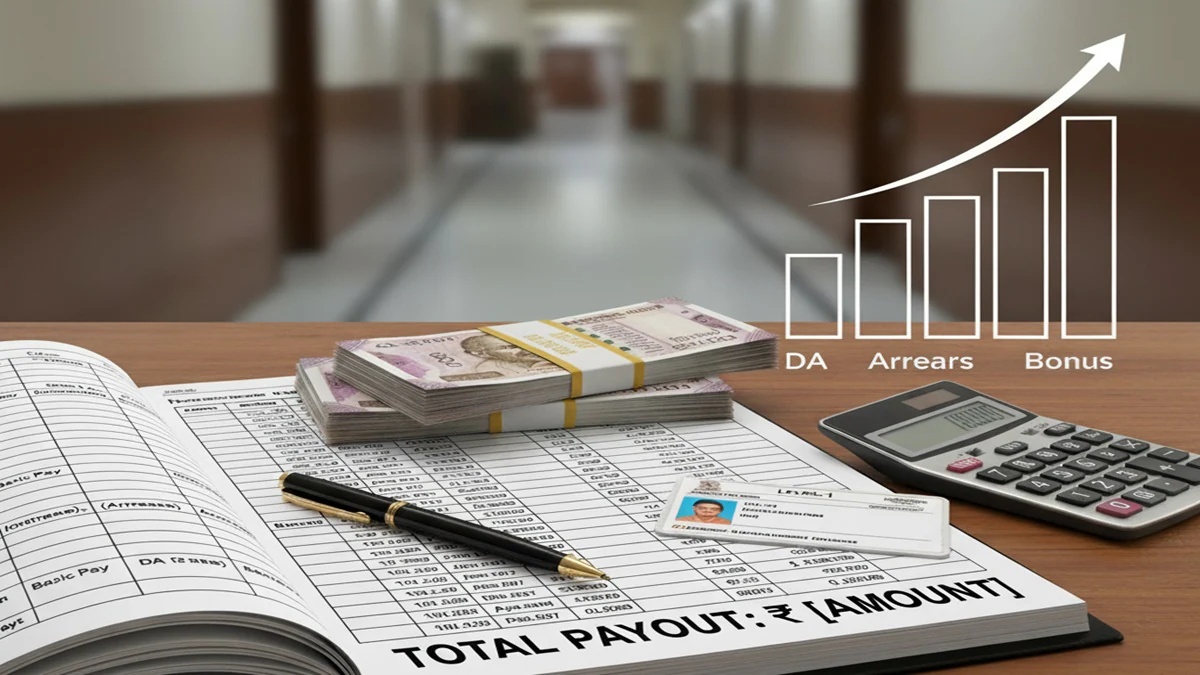
As the Diwali festival approaches, the central government has unveiled a significant financial boost for its employees and pensioners through a 3% increase in Dearness Allowance (DA) and Dearness Relief (DR). Effective from July 1, 2025, the adjustment raises the DA rate from 55% to 58%, benefiting over 1.2 crore individuals. This decision has been widely welcomed, as it aligns with the festive season and provides much-needed relief to those reliant on monthly pensions and salaries. The announcement underscores the government’s commitment to addressing inflationary pressures and ensuring financial stability for its workforce.
Calculating the Impact on Salaries and Pensions
The DA hike translates to a tangible increase for central government employees. For Level-1 employees, whose basic salary is Rs 18,000, the 3% adjustment adds Rs 540 per month to their DA, raising the total allowance to Rs 10,440. Pensioners with a minimum basic salary of Rs 9,000 will see their DR increase by Rs 270, bringing the total to Rs 5,220. Additionally, employees will receive arrears for the months of July to September, ensuring they are compensated for the delayed implementation of the hike. This financial support is expected to ease the burden of rising living costs during the festive period.
Bonus for Certain Categories of Employees
Alongside the DA adjustment, the government has announced an ad-hoc bonus for specific groups. Central government Group C and non-gazetted Group B employees will receive a bonus equivalent to 30 days’ salary for the 2024-25 fiscal year, fixed at Rs 6,908. However, eligibility criteria apply: only those in service as of March 31, 2025, with at least six months of continuous employment will qualify. Employees with shorter tenures will receive a pro-rata share of the bonus, ensuring partial recognition of their contributions.
Looking Ahead to the 8th Pay Commission
The recent DA hike marks the final adjustment under the 7th Pay Commission, which concludes its term on December 31, 2025. Employees are now turning their attention to the 8th Pay Commission, which was announced in January 2025 but has yet to finalize its terms of reference or appoint members. Delays in the Commission’s timeline may push its recommendations to implementation by early 2026, with arrears included for affected employees. This uncertainty highlights the need for timely reforms to address long-standing issues in the pay structure.
Broader Implications for Government Workforce
The DA and DR adjustments, along with the bonus for specific categories, collectively enhance the financial security of central government employees and pensioners. While the immediate benefits are clear, the delayed progress of the 8th Pay Commission raises questions about the sustainability of current wage structures. As the government prepares for the next phase of reforms, stakeholders are urging prompt action to ensure equitable compensation and address inflationary challenges. The upcoming announcement of the 8th Pay Commission’s framework will be a critical moment for the workforce, shaping future financial stability and public service morale.


About the Author