Revolutionizing Employee Benefits: Rs 1 Crore Accidental Death Coverage Announced
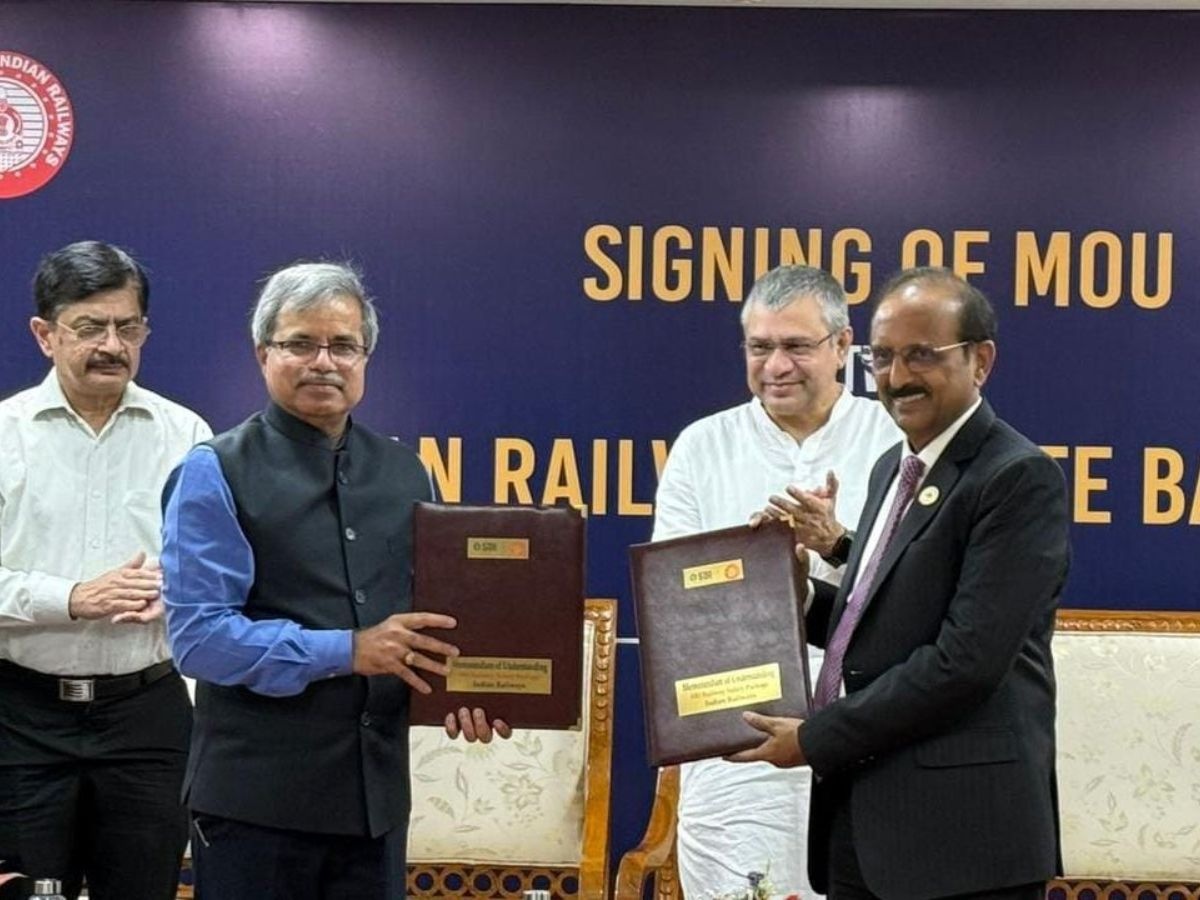
Indian Railways and State Bank of India (SBI) have unveiled a groundbreaking initiative to significantly enhance insurance benefits for central government employees. The partnership, formalized through a Memorandum of Understanding (MoU), elevates accidental death coverage from a meager Rs 1.20 lakh to an unprecedented Rs 1 crore. This transformative change addresses long-standing concerns about inadequate financial protection for employees and their families. Previously, Group A, B, and C employees received Rs 1.20 lakh, Rs 60,000, and Rs 30,000 respectively under the CGEGIS scheme, but the new agreement now provides uniform, robust coverage. The initiative underscores a commitment to employee welfare, particularly for frontline railway personnel, ensuring their dependents receive substantial financial support in case of untimely demise.
Comprehensive Insurance Package for Salary Account Holders
Under the MoU, all railway employees maintaining salary accounts with SBI are now eligible for natural death insurance coverage of Rs 10 lakh, with no premium required or medical examination needed. This provision democratizes access to financial security, ensuring even lower-tier employees benefit from the enhanced coverage. The agreement also introduces complementary insurance products, including Air Accident Insurance (Death) Cover of Rs 1.60 crore plus an additional Rs 1 crore on RuPay Debit Cards. Personal Accident Covers of Rs 1 crore for permanent total disablement and up to Rs 80 lakh for permanent partial disability further bolster the package. These measures reflect a strategic effort to create a safety net for employees across all service levels, fostering greater job security and morale.
Strategic Partnership for Enhanced Employee Welfare
The collaboration between two premier national institutions highlights a shared vision for improving employee welfare. With nearly 7 lakh railway employees maintaining SBI salary accounts, the initiative’s reach is substantial. The MoU not only addresses immediate financial needs but also positions both organizations as champions of employee-centric policies. By integrating insurance benefits into routine banking services, SBI and Indian Railways are setting a precedent for holistic employee support. This partnership exemplifies how public sector entities can innovate to meet modern workforce expectations, ensuring financial resilience for employees and their families. The focus on Group C employees, often overlooked in previous schemes, underscores a commitment to equitable protection across all service categories.
Transforming Employee Benefits Landscape
This initiative marks a pivotal shift in the approach to employee benefits in the public sector. By bundling insurance coverage with banking services, the partnership simplifies access to critical financial protection. The removal of premium barriers and medical examinations ensures broader participation, making insurance benefits more inclusive. The enhanced coverage for accidental death and disability aligns with global best practices in employee welfare, demonstrating India’s growing emphasis on comprehensive social security. For railway employees, this means not just financial security but also peace of mind, knowing their families are protected in unforeseen circumstances. The collaboration sets a benchmark for future employee benefit schemes, emphasizing the importance of proactive measures in safeguarding livelihoods.
Impact on Public Sector Workforce
The new insurance framework is expected to have a profound impact on the morale and stability of the public sector workforce. By addressing financial vulnerabilities, the initiative reduces stress and enhances job satisfaction, crucial for retaining skilled personnel. The emphasis on frontline workers, particularly in Group C, highlights a recognition of their critical role in maintaining infrastructure and public services. This approach not only strengthens employee loyalty but also improves service delivery through a motivated workforce. As the public sector navigates challenges, such innovative solutions demonstrate the potential for systemic improvements in employee welfare, setting a precedent for other governmental and public sector organizations to follow.


About the Author