Expected DA Hike and Its Impact on Central Government Employees
Central government employees and pensioners are on the brink of receiving a potential 3% increase in their Dearness Allowance (DA), which could elevate the current rate from 55% to 58%. This anticipated adjustment, scheduled to be announced before the Diwali festival, aims to alleviate financial pressures caused by inflation. Over 1.2 crore employees and pensioners are expected to benefit, with the hike providing additional disposable income during the festive season. The move underscores the government’s commitment to addressing rising living costs and ensuring financial stability for its workforce. As the 8th Pay Commission remains pending, this DA revision could serve as a temporary relief measure, particularly with major festivals like Dussehra and Diwali approaching. The timing of the announcement aligns with the traditional practice of releasing DA hikes in the months of July and January, though the exact implementation date remains under review.
Understanding the DA Calculation Process and Historical Trends
The Dearness Allowance is calculated based on the Consumer Price Index for Industrial Workers (CPI-IW), a monthly metric released by the Labour Bureau. The government uses a 12-month average of CPI-IW data to determine the DA percentage, applying a specific formula established under the 7th Pay Commission. This formula, which uses the base CPI-IW of 261.42 (from the 2016 base year), ensures the allowance keeps pace with inflationary pressures. Historically, DA hikes have been announced twice a year—once in July and once in January—with retrospective effect from the respective months. The current projection of a 3-4% increase for July 2025 reflects the government’s assessment of inflation trends and its efforts to balance fiscal responsibility with employee welfare.
Financial Implications for Central Government Employees
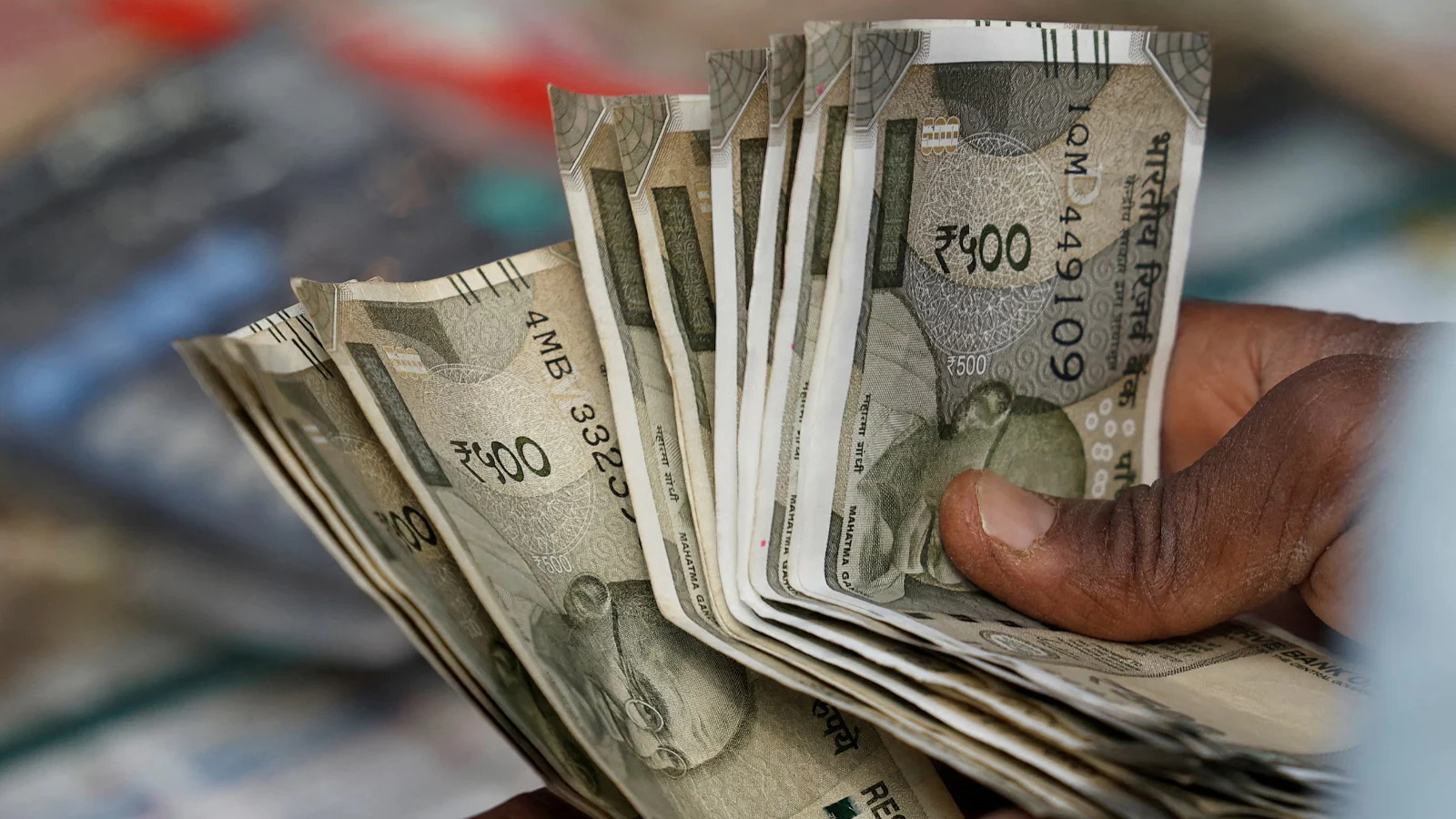
A 3% DA hike would translate to a monthly salary increase of approximately Rs 540 for entry-level employees with a basic salary of Rs 18,000. For higher-income individuals, the impact is similarly significant. For example, a monthly salary of Rs 30,000, with Rs 18,000 as basic pay and Rs 9,990 as DA (55% of basic pay), would see the DA rise to Rs 10,440 after the hike. This adjustment not only boosts disposable income but also helps employees manage rising costs of living. The timing of the hike, coinciding with Diwali, could provide much-needed financial flexibility for festive expenses. However, the exact implementation date and final percentage remain subject to official announcements and further economic data analysis.
Timeline and Historical Context of DA Adjustments
DA hikes are typically announced in two cycles: February-March for the January adjustment and September-October for the July revision. These announcements are followed by a retrospective effect from the respective months, ensuring employees benefit immediately. The 7th Pay Commission’s framework, which governs the DA calculation, has been a key reference point for these adjustments. While the 8th Pay Commission is expected to address broader salary reforms, the interim DA hike serves as a stopgap measure. The current projection of a 3-4% increase for July 2025 aligns with historical patterns of adjusting for inflation, though the exact percentage depends on the CPI-IW data for the preceding 12 months. This approach ensures the allowance remains aligned with economic realities.
Category-Specific Considerations and Broader Implications
The DA hike is primarily targeted at central government employees and pensioners, with no immediate indication of state-level adjustments. However, the broader implications extend to the public sector workforce, as similar mechanisms are used by state governments. The inclusion of pensioners in the hike highlights the government’s focus on long-term financial security for retired employees. While the 3% increase may seem modest, its impact on purchasing power is significant, especially in the context of rising inflation. The announcement also reflects the government’s strategic timing, leveraging the festive season to provide relief amid economic uncertainties. As the 8th Pay Commission continues its deliberations, this DA adjustment could serve as a critical step in addressing the financial challenges faced by central government employees and pensioners.