Key Deadline for UPS Enrollment Set by Finance Ministry
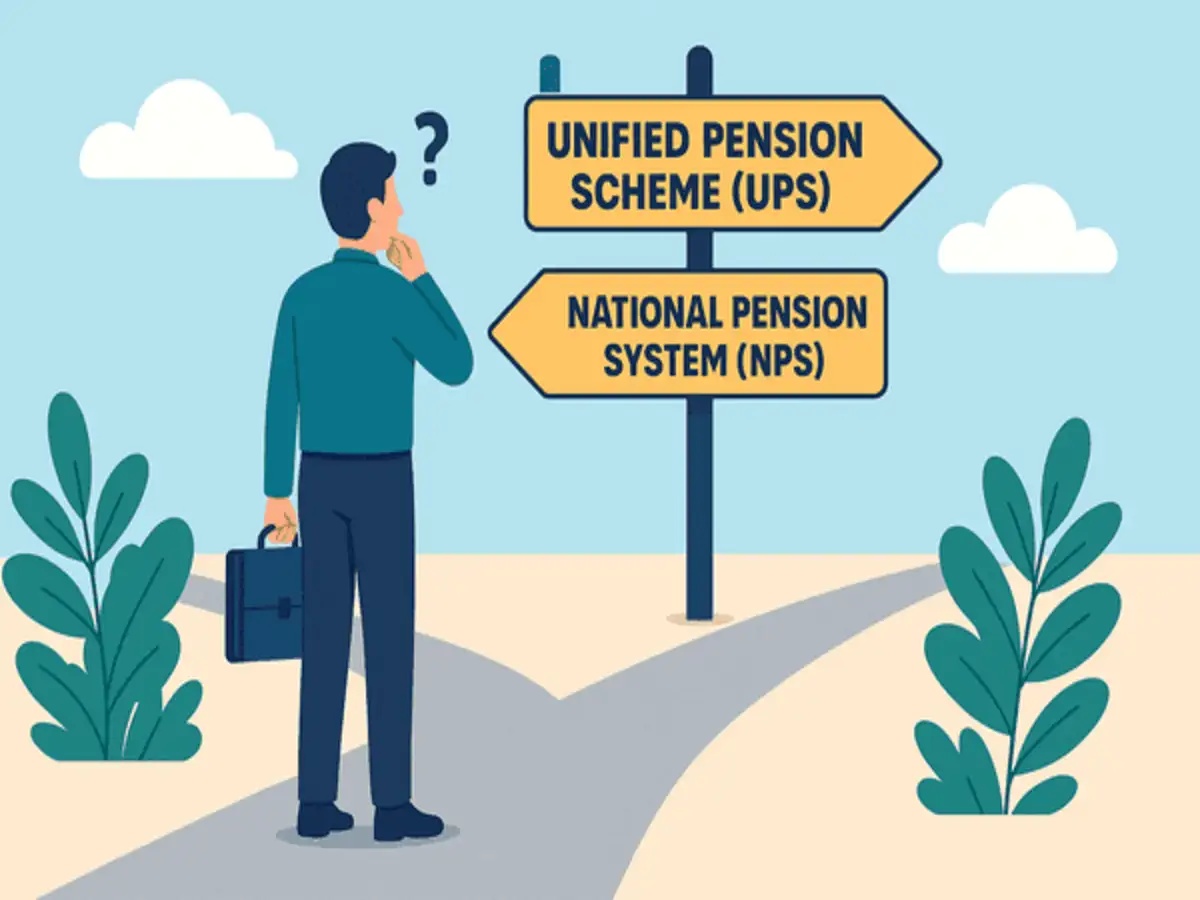
The Indian government has established a final deadline of September 30, 2025, for central government employees and retired NPS members to transition to the Unified Pension Scheme (UPS). This decision by the Finance Ministry ensures a structured migration process, with employees who choose to remain in the National Pension System (NPS) losing their eligibility to switch to UPS after the specified date. The policy aims to streamline retirement benefits for public sector workers, offering a guaranteed monthly payout under the UPS framework. Employees who miss the deadline will automatically continue under the existing NPS structure, emphasizing the importance of timely action for those seeking the assured financial security of UPS.
Eligibility and Switching Conditions for UPS
The UPS transition comes with specific conditions to ensure long-term financial stability. Eligible employees can only switch from UPS to NPS once, with the change being irreversible. The switch must be initiated at least one year before retirement or three months prior to voluntary resignation, whichever applies. Employees facing disciplinary actions, mandatory retirement, or penalties will not be allowed to switch. Additionally, those who do not opt for UPS within the stipulated timeframe will default to the NPS structure, highlighting the need for proactive planning. The UPS, operational since April 1, 2025, provides a minimum assured payout of Rs10,000 per month, subject to regular contributions and no withdrawals.
Family Benefits and Exceptions Under UPS
Under the UPS, families of retired employees receive additional financial safeguards. In the event of the payout holder’s death after retirement, the legally wedded spouse is entitled to 60% of the assured monthly payout. This provision ensures continued financial support for dependents, reinforcing the scheme’s commitment to long-term security. However, the UPS benefits are not universally available. Employees retiring with less than 10 years of qualifying service or those who resign, are dismissed, or face disciplinary proceedings will not qualify for the assured payout. These exceptions underscore the importance of meeting service and conduct requirements to access the full benefits of the UPS.
Financial Security and Policy Implications
The introduction of UPS represents a significant shift in retirement planning for central government employees, offering a guaranteed income stream that aligns with their service tenure. The assured monthly payout of Rs10,000 provides a stable financial foundation, particularly for those with over a decade of service. This policy also emphasizes the government’s effort to modernize pension systems, ensuring transparency and predictability for retirees. By setting a clear deadline and outlining strict eligibility criteria, the Ministry aims to minimize administrative complexities while safeguarding the interests of both employees and the public sector workforce.
Impact on Retirement Planning and Compliance
The UPS transition has prompted a reevaluation of retirement strategies for central government employees. With the deadline approaching, employees must assess their eligibility and align their financial plans accordingly. The irreversible nature of the switch underscores the need for careful decision-making, as employees cannot revert to the NPS once they opt for UPS. Compliance with the specified conditions, such as meeting the one-year or three-month notice period, is critical to avoid losing the benefits of the UPS. This structured approach ensures that the pension system remains efficient and equitable, balancing the needs of current and future retirees while adhering to regulatory frameworks.


About the Author