Government Announces 3% DA Hike for Central Employees Ahead of Festive Period
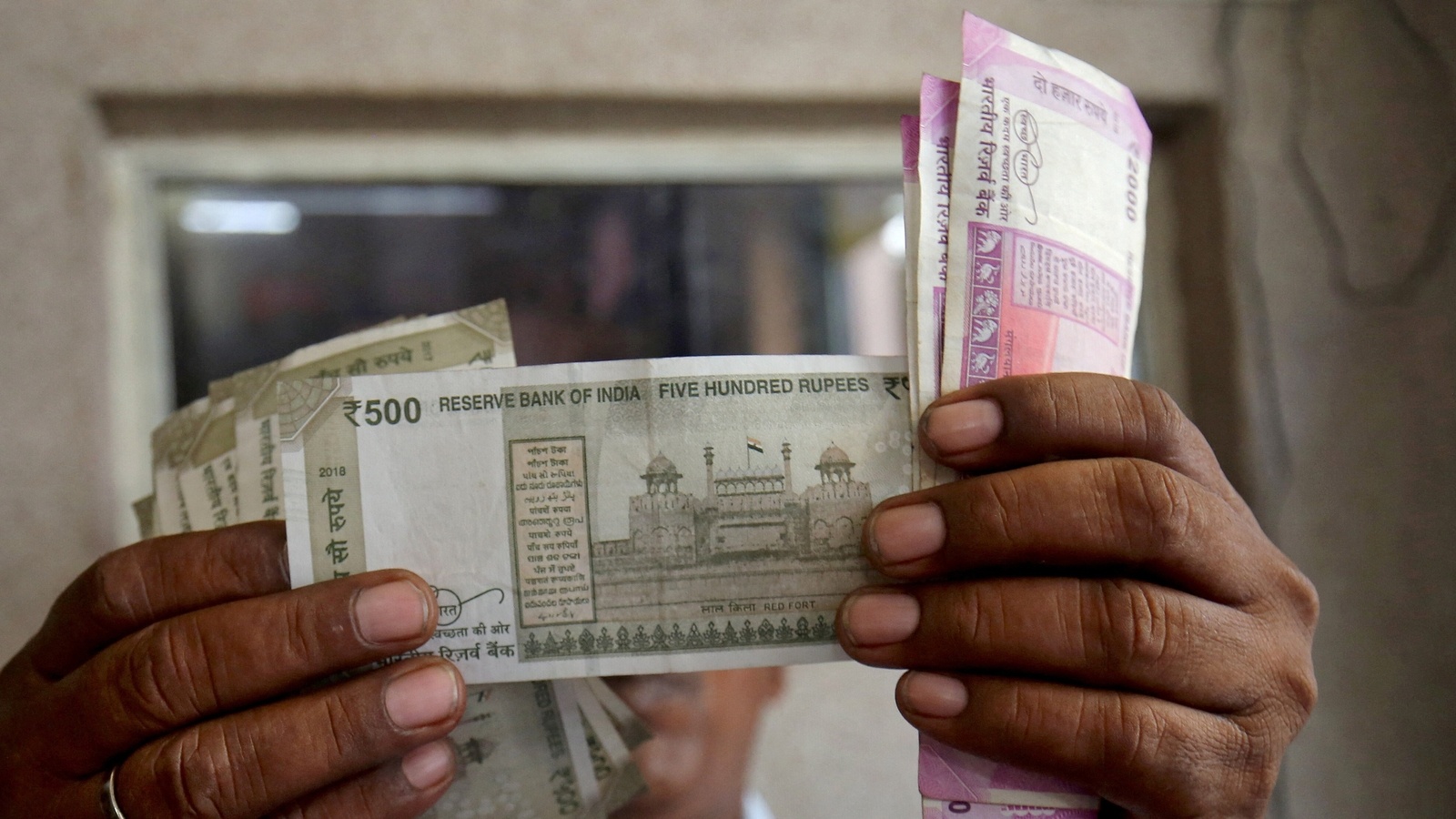
The Indian government has approved a 3% increase in Dearness Allowance (DA) for central government employees, a decision that coincides with the approaching Dussehra and Diwali festivals. This adjustment, effective from July 1, marks the second DA revision this year and will benefit over 1.18 crore employees and pensioners. The move is expected to provide financial relief as prices continue to rise, particularly during the festive season when household expenses typically surge. Union Cabinet Minister Ashwini Vaishnaw highlighted that the combined impact of the DA and Dearness Relief (DR) hikes will add ₹10,084 crore annually to the exchequer. The hike is projected to boost the monthly income of an average employee with a basic salary of ₹60,000 by approximately ₹34,800, compared to the previous ₹33,000 from the March 2023 adjustment. This decision underscores the government’s efforts to mitigate inflationary pressures on its workforce, ensuring they can meet the increased cost of living during the festive period.
Financial Implications and Historical Context of DA Revisions
The 3% DA hike brings the total compensation for central government employees to 58% of their basic pay, following the previous 2% increase in March 2023. This cumulative adjustment aims to offset inflationary trends and maintain purchasing power for employees and pensioners. The March hike had already raised the DA to 55% of basic pay, with the current revision extending this to 58%. Analysts note that the government’s strategy involves periodic revisions to DA, which is calculated based on the Consumer Price Index (CPI) for urban non-manual workers. The latest decision reflects the ongoing challenge of balancing fiscal responsibility with the need to support public sector workers. The financial burden of the hike, estimated at ₹10,084 crore annually, highlights the government’s commitment to maintaining economic stability while addressing employee welfare. This approach aligns with broader efforts to manage public finances amid inflationary pressures.
Understanding Dearness Allowance and Its Taxation
Dearness Allowance (DA) is a crucial component of compensation for government employees and pensioners, designed to compensate for the rising cost of living. It is calculated as a percentage of the basic salary and is revised every six months based on inflationary trends. The DA is taxable, meaning it must be declared in income tax filings, and is subject to standard tax slabs. There are two types of DA: one for central government employees and another for public sector workers, each with distinct calculation methodologies. The allowance serves as a buffer against inflation, ensuring that employees’ real incomes are not eroded by price increases. For pensioners, DA provides critical financial support, especially during periods of heightened expenses such as festivals. The recent 3% hike is expected to provide immediate relief, allowing recipients to manage their budgets more effectively during the festive season while maintaining their standard of living.
Previous Hikes and the Role of the Union Cabinet
The 3% DA increase follows a 2% adjustment approved by the Union Cabinet in March 2023, which benefited nearly 1.15 crore employees and pensioners. This earlier hike raised the DA to 55% of basic pay, with the current revision pushing it to 58%. The Union Cabinet’s role in approving these adjustments underscores the government’s proactive approach to managing employee compensation amidst inflation. The decision to increase DA is part of a broader strategy to ensure that public sector workers are not disproportionately affected by rising prices. The financial implications of these hikes, including the estimated ₹10,084 crore annual cost, reflect the government’s prioritization of employee welfare. By aligning DA revisions with inflationary trends, the administration aims to maintain a balance between fiscal prudence and the well-being of its workforce, particularly during critical periods like the festive season.
Category-Specific Impacts and Broader Economic Context
The DA hike will have varying impacts across different categories of government employees, including those in central ministries, public sector undertakings, and state governments. While the primary focus is on central government employees, the decision also indirectly benefits state government workers through shared fiscal policies. The categories listed in the extracted content highlight the widespread reach of such adjustments, encompassing states like Andhra Pradesh, Bihar, and Uttar Pradesh. This broad-based approach ensures that a significant portion of the public sector workforce benefits from the revisions. The timing of the hike, coinciding with Dussehra and Diwali, is strategic, as it provides financial relief during a period of heightened consumer spending. As the government continues to navigate inflationary pressures, these adjustments play a vital role in maintaining employee morale and economic stability across the public sector.


About the Author