Landmark Policy Update Grants Medical Access to Transgender Families
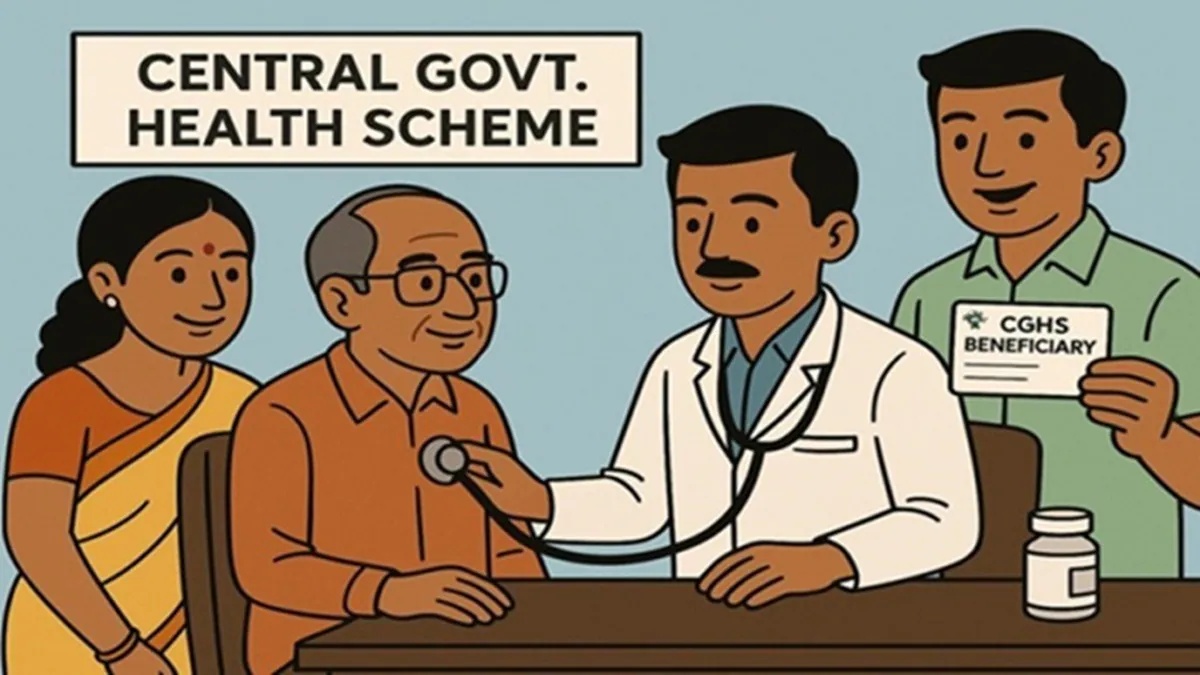
The Indian government has implemented a groundbreaking policy under the Central Health Services Scheme (CGHS) to extend medical benefits to transgender children and siblings of central government employees. Effective from September 16, 2025, this decision aligns with the Transgender Persons (Protection of Rights) Act, 2019, ensuring financial dependents receive healthcare regardless of age. Previously, eligibility was restricted to age-based criteria, but the new guidelines prioritize inclusivity by recognizing transgender individuals as valid dependents. Beneficiaries must demonstrate financial reliance, as defined by the 2016 Ministry of Health notification, and present a certificate from the District Magistrate validating their status under the 2019 Act. This move marks a significant step toward social equity, addressing long-standing gaps in healthcare accessibility for marginalized communities.
Enhanced CGHS Framework Benefits Millions of Beneficiaries
In the past year, the Ministry of Health has overhauled CGHS guidelines to improve service delivery. A major upgrade to the CGHS portal and mobile app now allows users to track hospital availability, medication stock, and medical bill statuses in real time. The expansion of cashless treatment to additional hospitals has eased financial burdens for retired employees and their families. Notably, the inclusion of private hospitals and diagnostic centers in tier-2 cities has improved access to specialized care. The online referral system streamlines medical appointments, reducing wait times for critical treatments. Additionally, the government has prioritized medicine supply chains, with real-time monitoring to prevent stock shortages. Special service centers now cater to senior citizens, ensuring dedicated support for pensioners and elderly patients.
Progress Toward Inclusive Healthcare Policies
The recognition of transgender individuals as dependents represents a pivotal shift in government policy toward inclusivity. Historically, dependents were defined by age and marital status, which often excluded non-binary and transgender families. This update redefines eligibility criteria, reflecting societal progress and legal mandates. Experts emphasize that the policy strengthens transgender rights by institutionalizing identity recognition in public services. The move also alleviates pressure on families who previously faced exclusion from essential healthcare benefits. By integrating transgender needs into the CGHS framework, the government signals a commitment to equitable healthcare access. This decision is expected to inspire similar reforms in state-level health policies, fostering a more inclusive public service system.
Broader Implications for Healthcare Equity
The policy update underscores the government’s dedication to addressing systemic inequities in healthcare. By extending benefits to transgender dependents, it challenges outdated norms and promotes a rights-based approach to medical services. The integration of digital tools into CGHS operations highlights a commitment to modernization, making healthcare more accessible and transparent. This initiative also aligns with global efforts to protect LGBTQ+ rights, demonstrating India’s progressive stance on social inclusion. As the policy implementation progresses, monitoring its impact on marginalized communities will be crucial. The success of this reform could set a precedent for other countries seeking to balance legal protections with healthcare accessibility for vulnerable groups.
Future Outlook for Healthcare Reforms
With the recent updates to CGHS guidelines, the Ministry of Health has set a precedent for continuous improvement in public healthcare. The focus on digital transformation, expanded access, and inclusivity reflects a strategic approach to meet evolving citizen needs. Future reforms may address gaps in rural healthcare infrastructure or expand benefits to additional marginalized groups. The government’s emphasis on transparency through real-time data monitoring could inspire similar initiatives in other sectors. As the transgender community gains greater recognition in policy frameworks, the potential for long-term social and economic empowerment grows. This transformative step in healthcare policy not only benefits immediate beneficiaries but also contributes to a more equitable and compassionate public service system.


About the Author