Understanding Voluntary Retirement for Central Government Servants
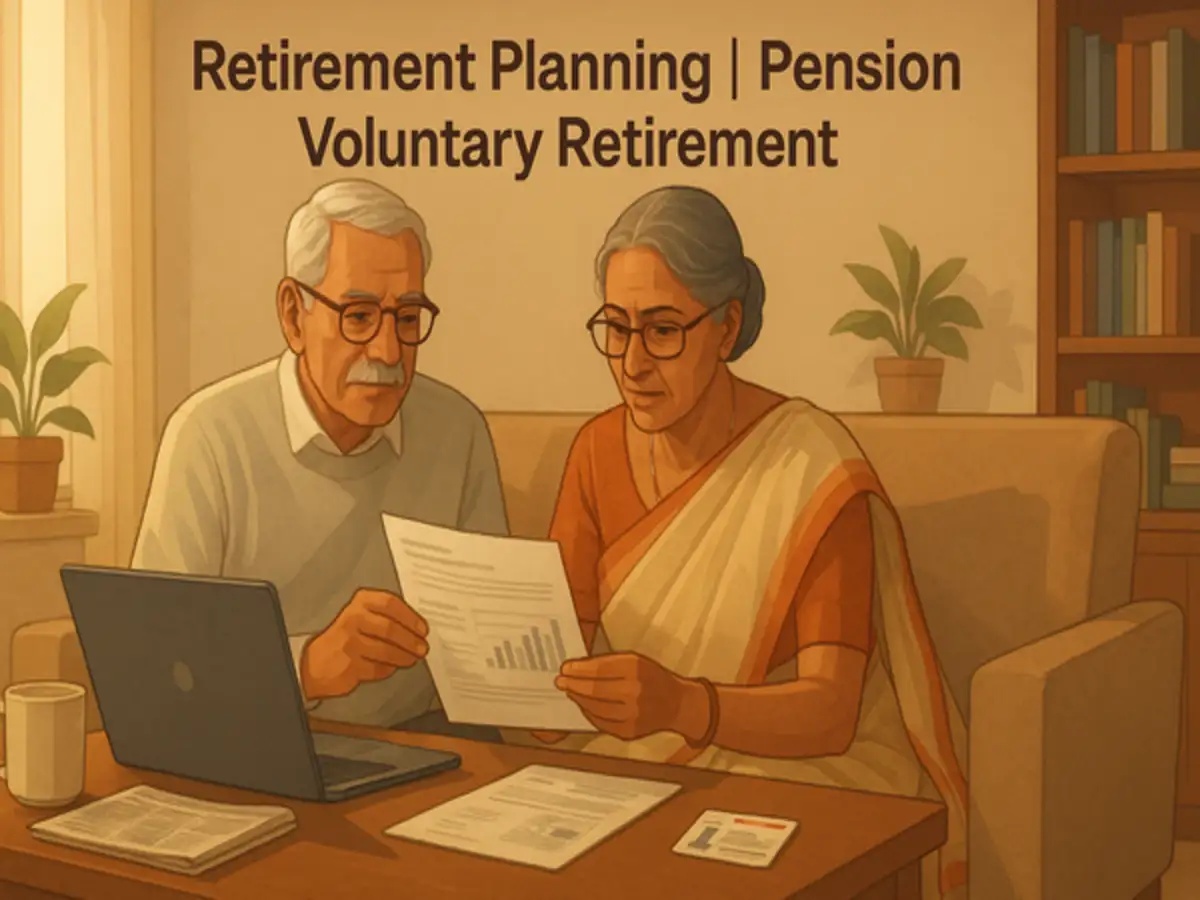
Central Government Employees seeking to retire voluntarily under the Unified Pension Scheme (UPS) must adhere to specific regulations outlined in Rule 13 of the Department of Personnel & Public Grievances (DoPPW) guidelines. This framework allows eligible officers to exit government service after completing 20 years of regular service, provided they follow the mandated procedures. The UPS, a cornerstone of the National Pension System (NPS), ensures financial security for retirees, with benefits varying based on the length of service. Employees must submit a written notice of at least three months to their appointing authority to initiate the process. This structured approach balances administrative efficiency with the rights of public servants, ensuring transparency in retirement procedures. The rules also address scenarios where the appointing authority may grant exceptions to the notice period, emphasizing flexibility while maintaining institutional order.
Notice Period and Automatic Retirement Activation
Under the voluntary retirement framework, employees must provide a 30-day written notice to their appointing authority to formalize their exit from service. This notice period is critical for allowing the organization to manage administrative tasks, such as settling pending obligations or transitioning responsibilities. If the appointing authority does not explicitly reject the request within this timeframe, the retirement will automatically take effect on the date specified in the notice. This provision ensures that employees are not left in limbo, safeguarding their rights while maintaining operational continuity. However, the authority retains discretion to adjust the notice period if they determine that shortening it would not disrupt administrative processes, reflecting a balance between employee convenience and institutional needs.
Flexibility in Notice Period Adjustments and Withdrawal Rules
The retirement process includes provisions for flexibility in notice periods, contingent on the appointing authority’s assessment. If the authority deems that reducing the 30-day notice period would not create administrative inconvenience, they may approve a shorter notice. This adjustment acknowledges the dynamic nature of government operations, allowing for tailored solutions. However, once the notice is submitted, the employee cannot withdraw it without explicit approval from the authority, except in cases where the withdrawal is requested at least 15 days before the retirement date. This restriction ensures that the process remains binding, preventing last-minute changes that could destabilize organizational planning. The rules emphasize accountability, requiring both employees and authorities to adhere to procedural rigor.
Exclusions and Special Cases in Voluntary Retirement
Not all Central Government Employees qualify for the standard voluntary retirement rules. Employees retiring under the special voluntary retirement scheme of the Department of Personnel and Training (DoPT) for surplus staff, as outlined in O.M. No. 25013/6/2001-Estt. (A) and subsequent amendments, are governed by separate guidelines. Similarly, those opting for absorption into autonomous bodies or public sector undertakings (PSUs) are excluded from the general framework. These exceptions highlight the need for tailored approaches to retirement, accommodating unique organizational requirements. The DoPPW guidelines explicitly state that these alternative pathways are distinct from the UPS-based voluntary retirement scheme, ensuring clarity for employees navigating retirement options.
Pension Entitlements Based on Service Duration
The pension benefits for employees retiring voluntarily under the UPS depend on their qualifying service duration. For those retiring with less than 25 years of service, the pension is calculated as a pro-rata assured payout under the Pension Fund Regulatory and Development Authority (PFRDA) Operationalisation of Unified Pension Scheme Regulations, 2025. This ensures partial compensation for incomplete service tenure. Conversely, employees with 25 years or more of service are entitled to the full assured payout, reflecting the long-term commitment to public service. These distinctions underscore the importance of service length in determining financial security post-retirement, aligning with the principles of equity and incentivizing prolonged service. The PFRDA regulations provide a clear framework for calculating pensions, ensuring transparency and fairness in benefit distribution.


About the Author